More Bairnsdale Guides
Did You Know?
- Safety switches save over 100 lives annually in Australia
- 30% of Bairnsdale homes still lack safety switches
- They trip in 0.03 seconds — faster than a heartbeat
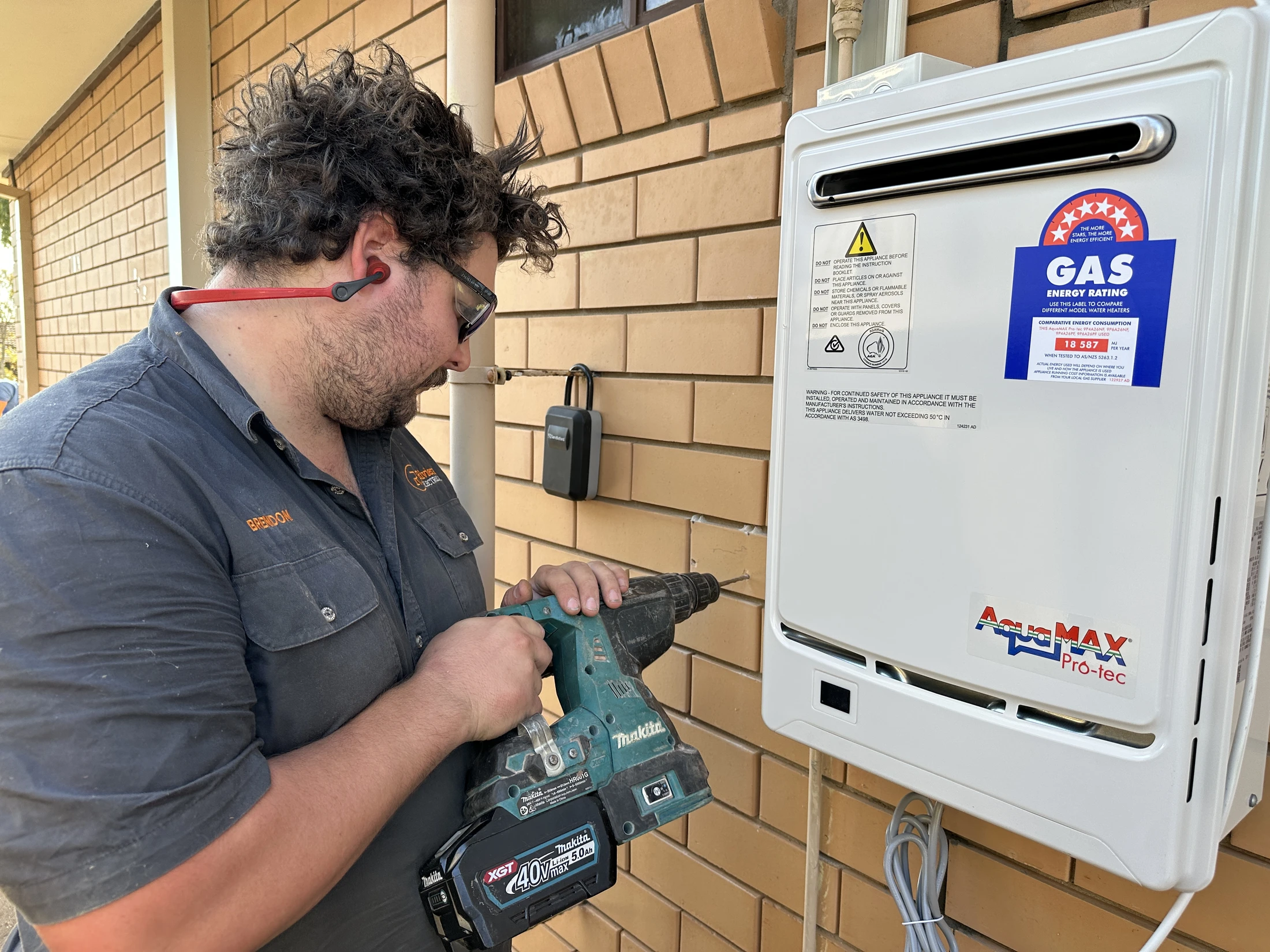
According to the Electrical Safety Office, safety switches prevent over 300 electrocutions annually in Australia. Yet many Bairnsdale homes built before 2000 still operate without this life-saving protection.
A safety switch (also known as an RCD or residual current device) is the most important safety device in your home. It monitors the flow of electricity and cuts power in as little as 0.03 seconds if it detects a leak to earth — fast enough to prevent electrocution.
In this guide, we'll explain everything Bairnsdale homeowners need to know about safety switches: how they work, legal requirements, testing, and when to upgrade.
What is a Safety Switch and How Does It Work?
A safety switch continuously monitors the current flowing through the active and neutral wires. Under normal conditions, the current in both wires is equal. If electricity "leaks" to earth — perhaps through a person touching a faulty appliance — the currents become unbalanced.
The science: The safety switch contains a toroidal coil that detects imbalances as small as 30 milliamps (0.03 amps). It triggers a solenoid that mechanically trips the switch, disconnecting power in 0.03 seconds — faster than you can blink.
This rapid response is what saves lives. A current of just 50 milliamps across the heart can cause ventricular fibrillation and death. Safety switches react before that happens.
Victorian Laws: What's Mandatory?
Under the Victorian Electricity Safety Act 1998 and the AS/NZS 3000 Wiring Rules (the "Australian Standard"):
- New homes and renovations: Must have safety switches on all final sub-circuits (lighting, power points, air conditioners, etc.)
- Existing homes: When a circuit is added or modified, that circuit must be protected by a safety switch
- Rental properties: Victorian law requires safety switches on all power point circuits in rental homes
- Pool and spa installations: Must have dedicated safety switch protection
Important for Bairnsdale homeowners: If your home was built before 2000, it likely has few or no safety switches. There's no retrospective legal requirement to upgrade, but it's strongly recommended for your family's safety.
Safety Switch vs Circuit Breaker: What's the Difference?
Many people confuse these two devices. They serve different purposes:
Safety Switch (RCD)
Protects people — trips when current leaks to earth (e.g., through a person)
Trips in 0.03 seconds • Saves lives
Circuit Breaker (MCB)
Protects wiring — trips when overloaded or short-circuited
Prevents fires • Doesn't protect people
Modern switchboards often combine both in one unit — called an RCBO (residual current circuit breaker with overcurrent protection). These provide both life safety and wiring protection in a single device.
5 Signs Your Bairnsdale Home Needs Safety Switch Upgrades
You have an old ceramic fuse switchboard
If you still have the old porcelain fuses with wire, your switchboard predates modern safety requirements. Complete replacement is essential.
No safety switches on power points
Check your switchboard. If you only see circuit breakers (not marked "RCD" or "safety switch"), your power points aren't protected.
Your safety switch trips frequently
While annoying, a tripping safety switch is doing its job. It indicates a fault that needs investigation — don't ignore it.
You're renovating or adding new circuits
Any new wiring must be RCD-protected. It's the perfect time to upgrade the whole board.
Your switchboard is over 25 years old
Switchboards have a lifespan. Older boards may have deteriorating components, poor connections, and lack modern safety features.
Monthly Testing: It Could Save Your Life
Safety switches have a test button. Pressing it simulates an earth leak and should trip the switch immediately. This verifies the mechanism still works.
Monthly Test Procedure:
- Press the "T" or "Test" button firmly
- The switch should trip to the OFF position
- Reset by switching back ON
- If it doesn't trip, or feels stiff/loose, call a licensed electrician immediately
Test monthly and after any electrical storm or power surge.
Why Does My Safety Switch Keep Tripping?
Frequent tripping indicates a problem that needs investigation. Common causes:
Moisture ingress
Rain in outdoor outlets, steam in bathrooms, leaking roofs
Faulty appliances
Old toasters, kettles, heaters with internal faults
Damaged wiring
Rodents chewing cables, nails through wires, insulation breakdown
Overloaded circuit
Too many appliances on one circuit
How to identify the culprit: Turn off all appliances on that circuit, reset the switch, then plug appliances in one by one. If it trips when a specific appliance is plugged in, that appliance is likely faulty.
Types of Safety Switches
Switchboard-mounted RCDs
Protect multiple circuits. Common in older installations but means a fault on one circuit takes out power to several areas.
RCBOs (Combination units)
Modern best practice. One per circuit — if one trips, only that circuit loses power. Provides both safety switch and circuit breaker protection.
Power point safety switches
Individual protection at the socket. Used where switchboard upgrade isn't feasible, or for specific high-risk areas.
Real Case Study: Bairnsdale Family Home
The Johnson family in Eastwood called us after their safety switch tripped repeatedly. Their 1980s home had a single safety switch protecting all power points and lights. Every time a fault occurred, the whole house went dark.
We upgraded their switchboard with individual RCBOs for each circuit. Now, if the toaster faults, only the kitchen power points trip — lights and other rooms stay on. They also gained protection for their air conditioner and new home office.
Investment: $2,100. Peace of mind: priceless.
Bairnsdale-Specific Electrical Safety Factors
- Trees and wildlife: Possums and rodents can damage wiring, causing earth leaks
- Flood-prone areas: Homes near Mitchell River need additional protection
- Summer storms: Lightning strikes can surge through electrical systems
- Winter heating: Portable heaters strain older circuits
Why Bairnsdale Trusts Riviera Electrical
Licensed
All work certified, permits obtained
Insured
$10 million public liability
Local
Serving Bairnsdale since 2008
FAQs About Safety Switches
Q: Do safety switches expire?
A: They don't have a set expiry date, but mechanisms can wear out. Test monthly and replace if faulty. Many electricians recommend replacement after 10-15 years.
Q: Can I install a safety switch myself?
A: No. In Victoria, any electrical work on switchboards must be performed by a licensed electrician. DIY work is illegal and extremely dangerous.
Q: My safety switch tripped and won't reset. What now?
A: Don't force it. Unplug all appliances on that circuit and try again. If it still won't reset, call us immediately — there may be a wiring fault.
Q: Are safety switches required for smoke alarms?
A: Hardwired smoke alarms must be on a dedicated circuit protected by a safety switch, or have battery backup if on an RCD-protected circuit.
Is Your Family Protected?
Don't wait for an accident. Our licensed electricians can assess your Bairnsdale home's safety switch protection and provide upfront fixed pricing for upgrades.
Same-week service • Licensed & Insured • Family-owned
References: AS/NZS 3000 Wiring Rules, Electrical Safety Office Victoria, WorkSafe Victoria Compliance Code, Energy Safe Victoria